Does Debt Relief Hurt Your Credit? How Long It Lasts
You're drowning in debt, and you've started looking into ways out. But before you commit to anything, you need to know: does debt relief hurt your credit? The short answer is yes, most debt relief options will affect your credit score to some degree. The real question is how much, how long, and whether that tradeoff is worth it compared to staying buried under payments you can't keep up with.
Different debt relief strategies carry different consequences. Debt settlement, debt management plans, and bankruptcy each leave their own mark on your credit report. Some hit harder than others. Some recover faster. And in many cases, your credit may already be damaged by the time you're considering these options, meaning the actual impact is smaller than you think.
At Mayfield Law Firm, P.A., we help clients across Northeast Mississippi and South Memphis navigate consumer bankruptcy filings under Chapter 7 and Chapter 13. We've seen firsthand how people agonize over the credit score question while ignoring the bigger picture: long-term financial stability. This article breaks down exactly how each form of debt relief affects your credit, how long that damage lasts, and what recovery actually looks like.
Why debt relief can lower your credit score
To understand why debt relief hurts your credit, you first need to understand what your credit score actually measures . Your score reflects how reliably you've managed borrowed money over time. When you pursue debt relief, you're signaling to the credit system that something went wrong , and the system responds by lowering your score.
Your credit score tracks five weighted factors
FICO scores , which most lenders use, calculate your credit score based on five weighted categories. Debt relief strategies can disrupt several of these at once. When you settle a debt, close accounts, or file for bankruptcy, you trigger negative changes across multiple scoring categories simultaneously, which compounds the overall damage.
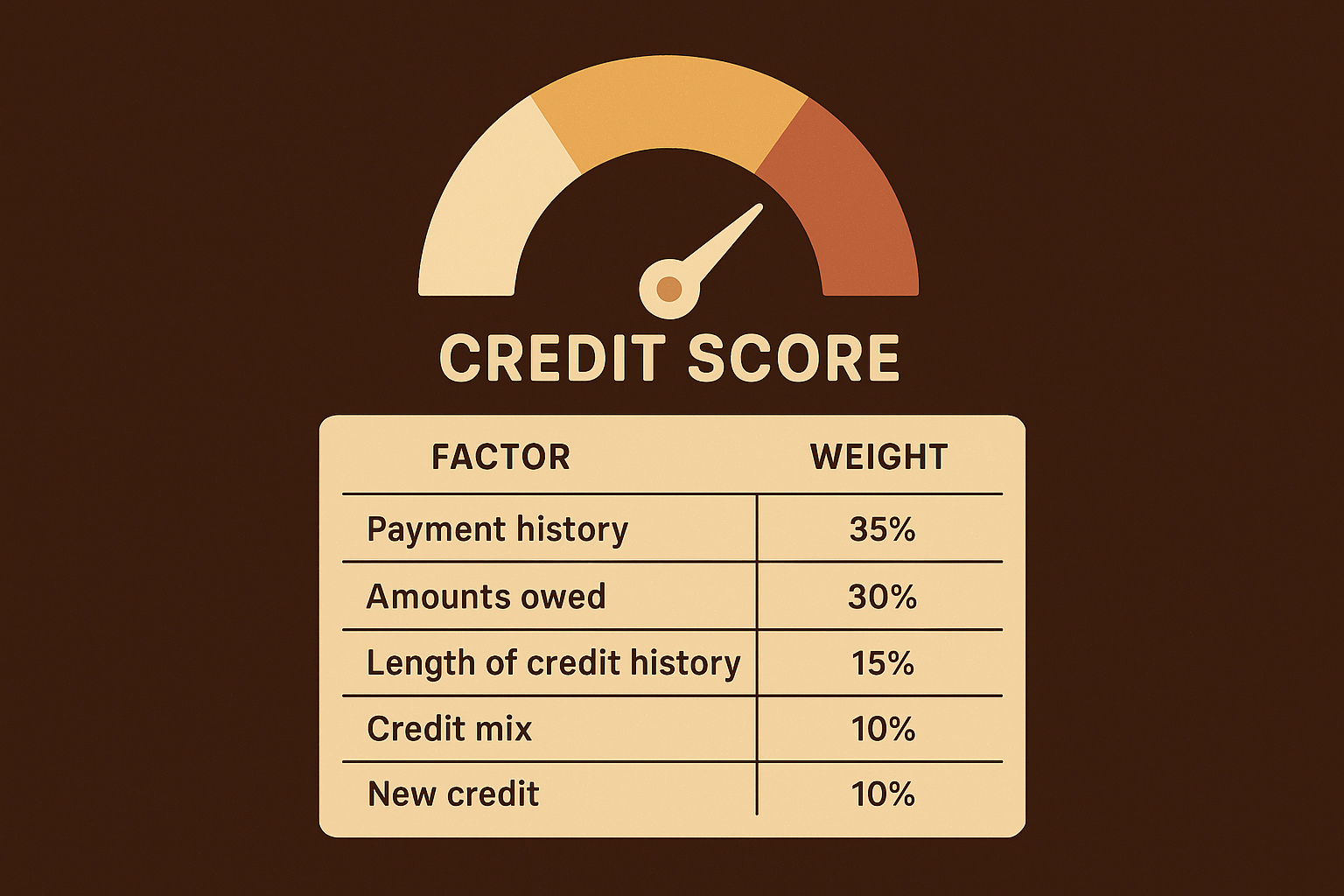
| Factor | Weight |
|---|---|
| Payment history | 35% |
| Amounts owed | 30% |
| Length of credit history | 15% |
| Credit mix | 10% |
| New credit | 10% |
Late payments start the damage before you enroll
Before you enter any formal program, missed and late payments are typically already showing on your report. Payment history carries the most weight of any factor, so a single 30-day late payment can drop your score by a significant number of points. By the time you're seriously asking does debt relief hurt your credit, your score may already reflect 60, 90, or even 120 days of delinquency . The relief option you choose adds to existing damage rather than starting it from zero.
Most people pursuing debt relief have already missed payments, meaning their score has taken hits well before they enroll in any formal program.
Starting a debt relief program does not necessarily make a bad situation worse in a vacuum. If you're already carrying delinquent accounts , the incremental credit impact of pursuing relief is often smaller than you expect , especially compared to the financial cost of continuing to miss payments with no plan.
Creditors report negative information in real time
Settlement programs typically require you to stop paying creditors directly and let accounts fall delinquent while you accumulate funds. During that period, each creditor reports your missed payments to the three major credit bureaus: Equifax, Experian, and TransUnion. Those reports don't wait until the settlement is finalized. Every month your account is past due, a new negative mark lands on your report, which is why the credit impact of debt settlement can snowball quickly if the process drags on for months.
How each debt relief option affects your credit
Not all debt relief strategies carry the same credit score consequences . The damage ranges from moderate to severe depending on the approach, so understanding where each option lands helps you make an informed decision when you're asking does debt relief hurt your credit.
Debt settlement
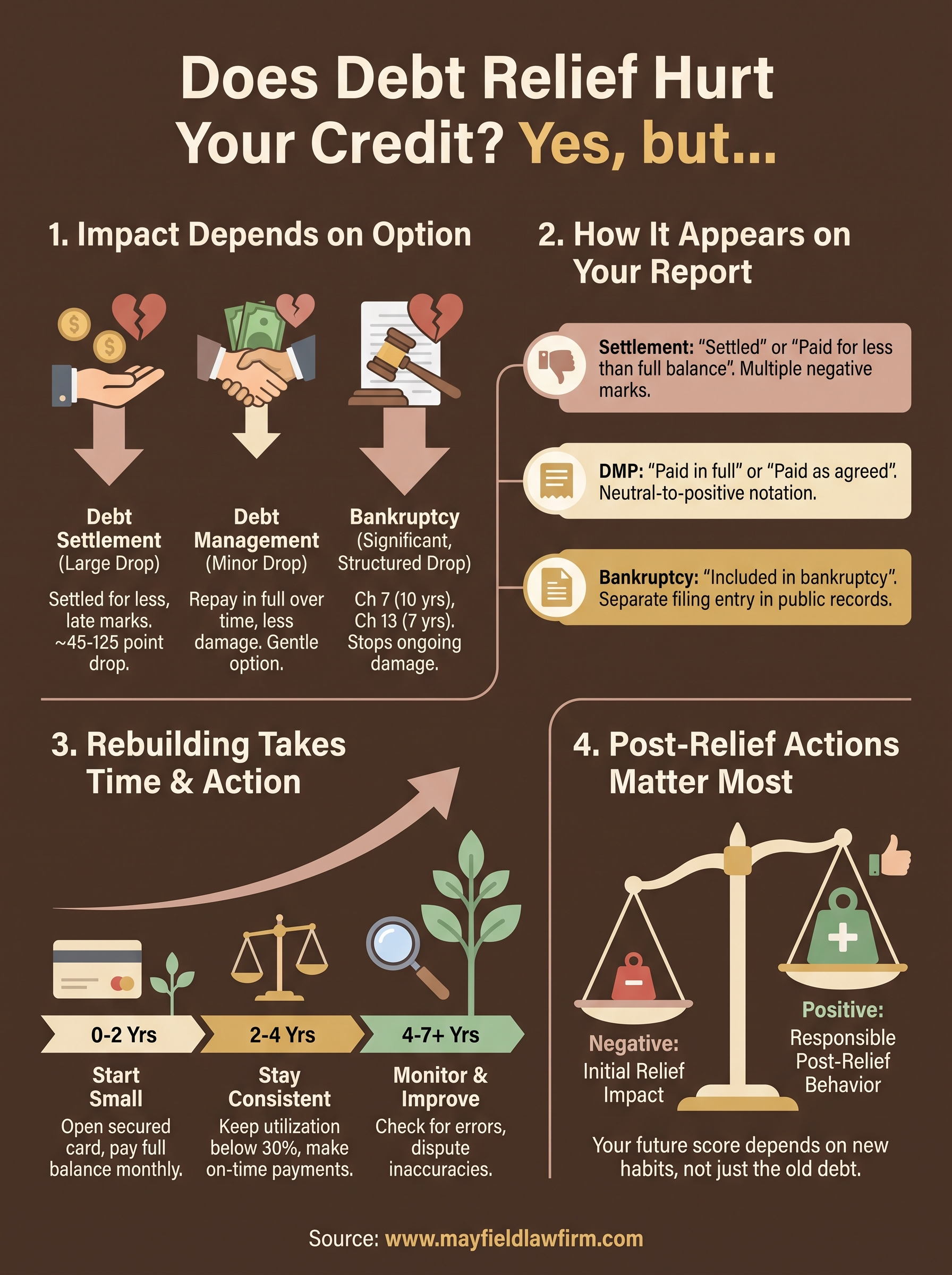
Debt settlement typically causes a significant drop in your score because the process requires you to stop paying creditors while funds accumulate, generating multiple consecutive late payment marks along the way. When the creditor finally agrees to accept less than the full balance, they report the account as "settled for less than the full amount." That notation signals to future lenders that you did not repay your original obligation in full.
Settled accounts can reduce your score by 45 to 125 points depending on your starting score and the number of accounts involved.
Debt management plans
A debt management plan (DMP) through a nonprofit credit counseling agency causes less damage than either settlement or bankruptcy. You repay the full balance over time at a reduced interest rate, so creditors do not report missed payments after you enroll. Some lenders may note the repayment arrangement on your report, but that notation carries far less weight than a settlement or bankruptcy entry, making this the gentlest option for your credit.
Bankruptcy
Chapter 7 bankruptcy eliminates most unsecured debt quickly, but it carries the most significant credit impact of any option available. The bankruptcy filing stays on your credit report for 10 years . Chapter 13 bankruptcy requires a 3- to 5-year repayment plan and falls off your report after 7 years . Both options stop additional late payment accumulation the moment you file, which prevents further ongoing damage from building month after month.
How long the credit damage lasts
The duration of credit damage depends entirely on which debt relief option you choose and how your creditors report the resolution. When you ask does debt relief hurt your credit, timeline matters as much as severity. A lower score that recovers in two years carries very different consequences than one that lingers for a decade.
Debt settlement and debt management plan timelines
Negative marks from debt settlement typically remain on your credit report for seven years from the date of the original delinquency, not the date the settlement was finalized. That means if you missed your first payment in January 2023 and settled the account in December 2024, the clock started in January 2023. Debt management plans cause far less lasting damage because you repay the full balance without generating late payment records, so any notations from the DMP process generally fade from your report once the plan is complete and the accounts are in good standing.
Bankruptcy timelines
Chapter 7 bankruptcy stays on your credit report for 10 years from the filing date. Chapter 13 bankruptcy drops off after 7 years from the filing date because it involves a structured repayment plan rather than straight discharge. Both timelines sound long, but the practical impact on your ability to get credit diminishes well before the entry disappears entirely. Most lenders focus heavily on your recent credit behavior, and many people qualify for secured credit cards, auto loans, and even mortgages within two to four years of a bankruptcy filing.
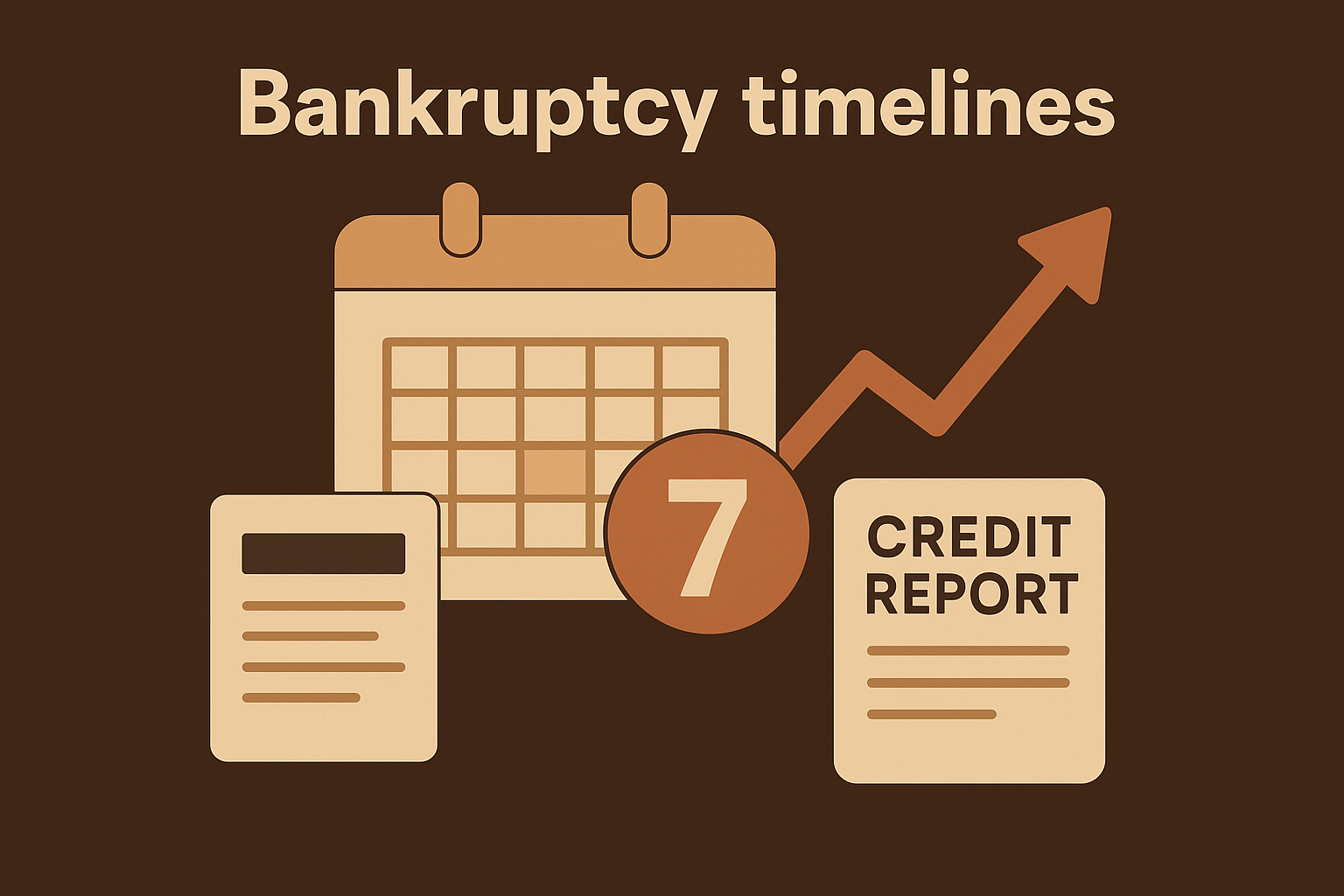
The bankruptcy entry stays on your report longer than any other debt relief option, but your score can recover significantly within three to four years of the filing date if you manage new credit responsibly.
How debt relief shows up on your credit report
When you ask does debt relief hurt your credit, the answer is tied directly to how lenders and creditors report your accounts to the three major bureaus: Equifax, Experian, and TransUnion. Each type of relief leaves a distinct footprint, and understanding what those entries actually say helps you know what future lenders will see when they pull your report.
The specific notations creditors use
Creditors use standardized status codes to describe how an account was resolved. A settled account typically appears as "settled," "paid for less than full balance," or "account charged off, settled." A bankruptcy discharge causes individual accounts to be marked "included in bankruptcy," and the public records section of your report will also carry the bankruptcy filing itself as a separate entry. A completed debt management plan typically shows accounts as "paid in full" or "paid as agreed," which is a neutral-to-positive notation compared to the others.
The notation on a settled or discharged account matters because lenders read account history line by line, not just the overall score.
How the same debt can generate multiple entries
One debt can create more than one negative entry on your report, which surprises many people. A single credit card account that went delinquent before settlement may carry individual late payment marks for each month it was past due, plus the final settled status notation. That means one account can contribute dozens of negative data points rather than just one. Bankruptcy filings work differently because the automatic stay stops further reporting of missed payments the moment you file, so the entry count freezes rather than continuing to grow throughout the process.
How to protect and rebuild your credit
Whether you're asking does debt relief hurt your credit because you're still deciding or you've already filed, the same principle applies: the actions you take after the debt relief process matters more than the relief option itself . Your credit score is not permanent. Every month of responsible behavior adds positive data to your report, which gradually outweighs the negative entries left behind by your past debt problems.
Your score can improve meaningfully within two to three years of completing any debt relief program if you stay consistent with the basics.
Open a secured credit card as soon as possible
A secured credit card requires a cash deposit that becomes your credit limit, making it accessible even after bankruptcy or settlement. Use it for small, recurring purchases like gas or a monthly subscription, then pay the full balance every month. That pattern creates a steady stream of on-time payment records, which directly rebuilds the factor that carries the most weight in your score.
Keep your credit utilization below 30 percent
Credit utilization measures how much of your available credit you are actually using. Lenders treat high utilization as a sign of financial strain, so keeping your balances low relative to your limits signals that you are managing new credit responsibly . If you have a secured card with a $500 limit, try to keep your balance below $150 at any given time.
Check your credit reports for errors after any debt relief process
Errors on your credit report are more common than most people realize, especially after bankruptcy or settlement. Pull your free reports from AnnualCreditReport.com and confirm that discharged or settled accounts are reported accurately . Dispute any entry that shows incorrect balances, wrong dates, or accounts that still appear active after discharge.
What to do next
Does debt relief hurt your credit? Yes, but the damage is temporary and far more manageable than staying buried under debt you cannot pay. Bankruptcy, settlement, and debt management plans each leave a mark on your report, but none of them permanently close the door to financial recovery. Your future credit score depends far more on the steps you take after completing the process than on which option you chose in the first place.
If you're carrying debt you can no longer manage and you're considering bankruptcy in Northeast Mississippi or South Memphis, Mayfield Law Firm, P.A. can walk you through your options clearly. Chapter 7 and Chapter 13 bankruptcy are legal tools built to give you a real fresh start , not a temporary fix. Contact Mayfield Law Firm today to schedule your free consultation and find out which path fits your situation.