Personal Injury Lawyer in Mississippi: 4 Options Compared
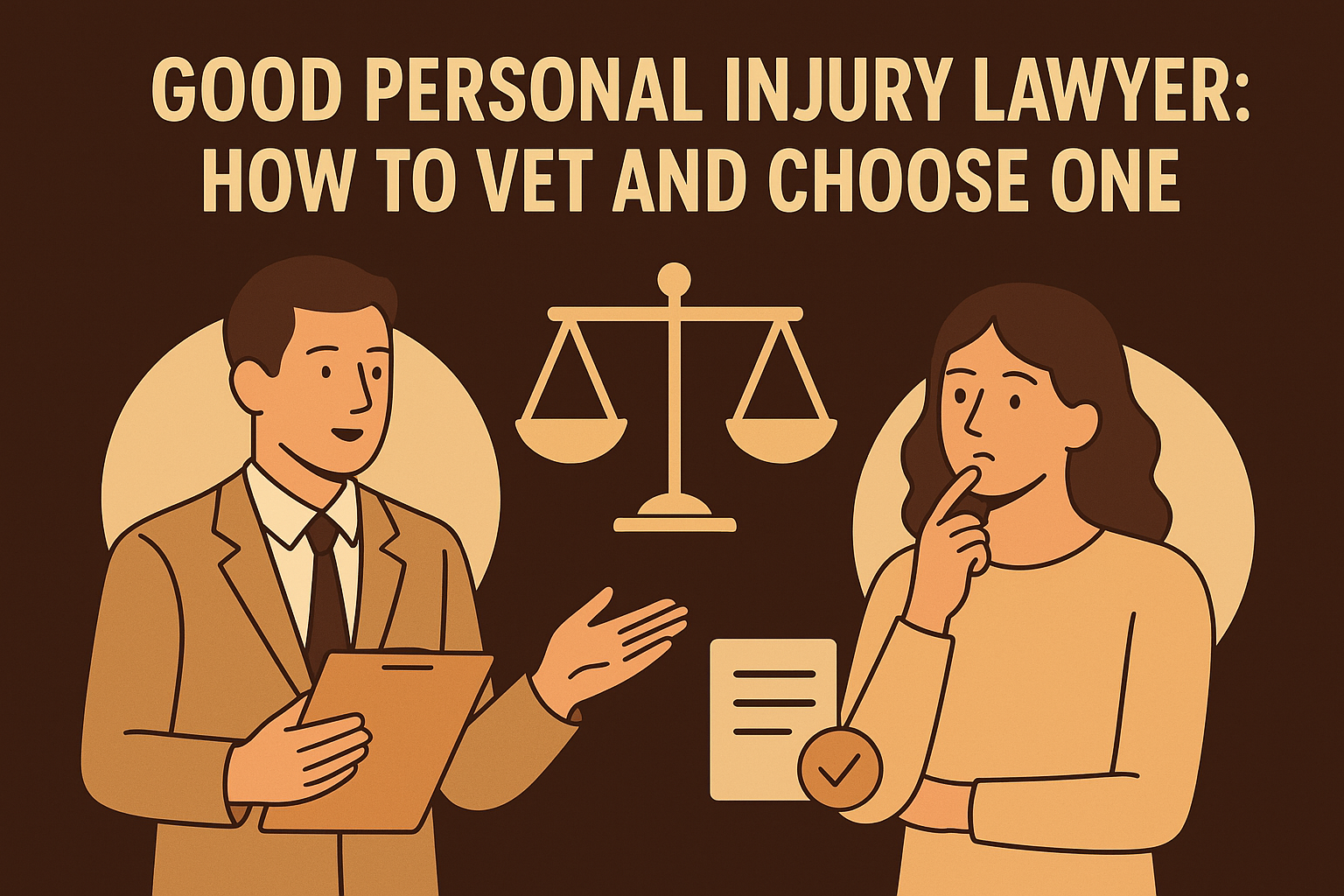
The best personal injury lawyer in Mississippi is the one who has handled your type of case, will personally return your calls, and works on a contingency fee, so you pay nothing unless you recover money. No single name fits everyone. A full-service firm with several offices suits a car wreck with clear fault. A large statewide firm suits a straightforward claim you want settled quickly. A small local practice suits someone who wants direct attention from the attorney. A specialist suits a trucking, malpractice, or product case.
After a crash or injury, you are dealing with medical bills, insurance adjusters, and a legal clock at once. Most Mississippi injury lawsuits must be filed within three years, but evidence fades and adjusters call within days. Search results make it harder, because every firm promises a free consultation and "no fee unless we win." Those promises do not tell you who to hire.
This article sorts your choices into four kinds of firm and explains how each works, who it suits, and what to check before you sign. Mayfield Law Firm, P.A. has represented clients since 1974 from offices in Tupelo, Southaven, and Memphis, so we start with the firm we know best and say plainly where it may not be the right fit. This is general information, not legal advice for your case.
1. Mayfield Law Firm, P.A.
Mayfield Law Firm, P.A. is a multi-office firm that handles injury cases from the first consultation through settlement talks, trial, and appeals.
How it works
Cases run on a contingency fee basis , and the first consultation is free. On car accident cases, the attorney fee is 29% for cases settled . The firm represents clients in car, truck, and motorcycle accidents, workplace injuries, medical malpractice, wrongful death, and talc mass tort claims involving ovarian cancer or mesothelioma. You can meet in person or virtually.
Here is what a percentage means in dollars. On a $60,000 settlement, 29% is $17,400. A one-third fee, which many injury firms charge, would be $20,000. That is a $2,600 difference before any case expenses.
Who it suits
This firm fits drivers, riders, and families in Northeast Mississippi and South Memphis . The offices are in downtown Tupelo, Southaven, and Memphis, and the attorneys are licensed in both Mississippi and Tennessee, which helps when a crash happens near the state line. Founding attorney Kenneth Mayfield has more than 40 years of civil litigation experience .
What to check before you sign
Ask these questions at any firm, this one included:
- What is the fee if the case goes to trial, not just settles?
- How are case expenses such as records and experts handled?
- Which attorney will handle my case day to day?
- Does the firm take my specific type of claim, if it is unusual?
A fee percentage only means something once you turn it into dollars on a realistic settlement.
2. A large statewide injury firm
A large statewide firm handles high volumes of injury claims through multiple offices, an intake team, and a standard process.
How it works
These firms advertise heavily and answer the phone quickly. A case usually moves through intake staff, case managers, and paralegals before an attorney steps in. Most cases settle without trial, and the firm's systems are built to move them along. Fees are contingency-based, and one-third before suit is a common figure, but you must see the number in writing.
Mississippi requires a contingency fee agreement to be in writing, so ask for the draft before you decide. Read how it treats a settlement versus a trial.
Who it suits
A large firm suits a clear-liability claim with documented injuries , such as a rear-end collision with a witness and a police report. It also suits you if you want an office in almost any part of the state. The trade-off is less direct contact. You may talk to a case manager far more often than to your lawyer.
What to check before you sign
Ask who will actually work on your file and how often you will get updates. Ask whether the firm tries cases or mainly settles them, because adjusters price a claim differently when they know a firm will go to court. Request the attorney's name in writing, not just the firm's.
Ask who will really handle your file, because the name on the billboard rarely does the work.
3. A small local practice
A small local practice is a firm of one to a handful of attorneys who work in the area's courts and know its adjusters and judges.
How it works
You usually deal with the attorney directly, and the same person who meets you at the consultation prepares your case. Fees are typically contingency-based as well. Small firms often have fewer resources to front the cost of expert witnesses in a large dispute, which can limit the cases they take.
Who it suits
This option suits a moderate-value claim where personal attention matters , such as a crash with several weeks of treatment and a disputed medical bill. It also suits you if you prefer meeting in person. Mississippi follows a pure comparative fault rule, which means your recovery is reduced by your share of the blame rather than barred. A local attorney who knows how nearby adjusters argue fault can be valuable when the other driver blames you.
What to check before you sign
Check capacity and trial readiness. Ask how many active injury cases the attorney carries and who covers when they are in court. Ask whether the firm can afford to take your case to trial if the insurer's offer is low, and whether it brings in outside experts when the facts are technical.
A small firm gives you access, but only if it also has the capacity to try your case.
4. A specialist for your type of case
A specialist concentrates on one kind of claim, such as tractor-trailer crashes, medical malpractice, defective products, or mass torts.
How it works
Specialty claims need investigation and expert testimony that ordinary crash cases do not. Trucking cases involve driver logs, company records, and federal safety rules. Malpractice cases require medical experts before filing. A specialist, or a firm that routinely co-counsels with one, has these resources ready. Many general injury firms, Mayfield included, also handle truck, malpractice, and talc cases, so ask any firm for their direct experience.
Who it suits
Hire a specialist if your injury came from an 18-wheeler, a surgical error, a dangerous drug, or a defective product . These cases cost more to build and last longer. Deadlines also vary by claim type, so confirm yours quickly:
| Claim type | Typical deadline |
|---|---|
| Car, truck, or motorcycle crash (negligence) | 3 years from the injury |
| Medical malpractice | 2 years from when the injury was or should have been discovered |
| Wrongful death, negligence | 3 years from the date of death |
| Wrongful death, intentional acts | 1 year from the date of death |
| Workers' compensation | 2 years |
Claims against a government body follow shorter, stricter notice rules, so do not wait on those.
What to check before you sign
Ask how many cases like yours the lawyer has handled and how they were resolved. Ask who pays for experts and when. Ask whether the specialist works with a local firm, and how fees are split between the two , so you know the total you pay.
For a technical case, ask for specific experience with your claim type, not a general promise.
Pick the lawyer, then book the consultation
Choose the kind of firm that matches your claim. Pick a firm with local offices for a standard crash, a small practice if you want direct access, and a specialist for a truck, malpractice, or product case. Then compare fee terms in dollars, ask who will handle your file, and confirm your deadline before you sign anything.
Consultations are free, so talk to two or three firms and compare their answers. If you were hurt in Northeast Mississippi or South Memphis, you can request a free consultation with Mayfield Law Firm, P.A. and ask these same questions.