Workplace Injury Lawyer Near Me: How To Choose The Right One
A workplace injury can turn your life upside down in seconds. One moment you're doing your job, and the next you're dealing with medical bills, lost wages, and an employer or insurance company that isn't returning your calls. If you've been searching for a workplace injury lawyer near me , you're already taking the right step, but finding the right attorney matters just as much as finding one at all. Not every lawyer has the experience or focus needed to handle the complexities of a workplace injury claim.
At Mayfield Law Firm, P.A., we've spent over 40 years representing injured workers across Northeast Mississippi and South Memphis. From our offices in Southaven, Mississippi, and Memphis, Tennessee, we've seen firsthand how the wrong legal advice, or no legal advice, can cost someone the compensation they deserve. Workplace injuries fall squarely within our personal injury practice , and we understand the stakes involved.
This article breaks down what a workplace injury lawyer actually does, what separates a good one from a bad one, and how to evaluate your options before making a decision. Whether you were hurt on a construction site, in a warehouse, or at a desk job, the goal here is simple: give you the information you need to choose the right lawyer for your case , not just the first one you find.
Why hiring a workplace injury lawyer matters
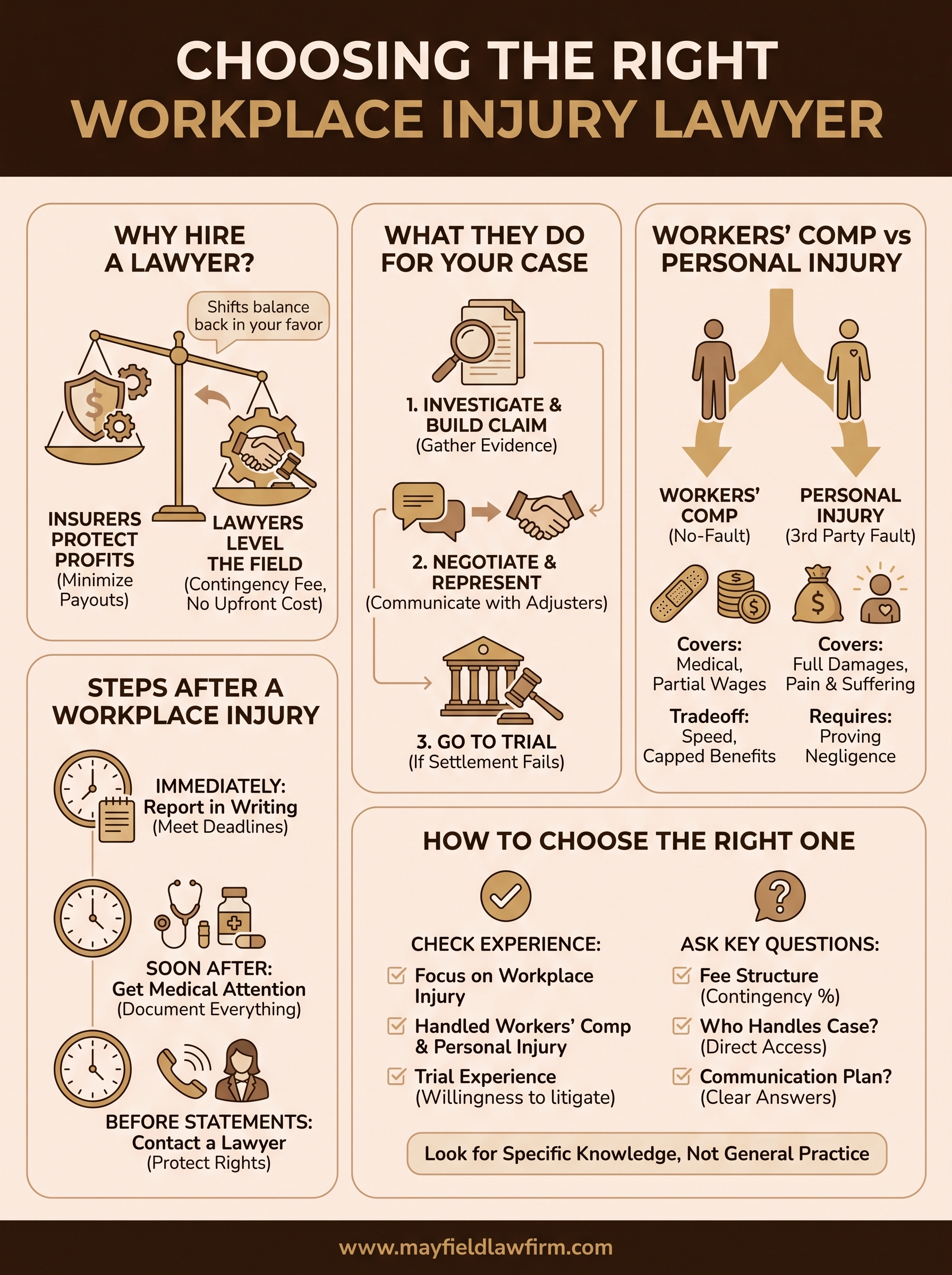
When you get hurt at work, your employer's insurance company moves fast. That speed isn't meant to help you - it's designed to protect their bottom line. Insurance adjusters are trained to minimize payouts , and without legal representation, you may accept a settlement that doesn't come close to covering your actual losses. A workplace injury lawyer shifts that balance back in your favor by bringing legal knowledge and negotiating power to the table from day one.
Most injured workers don't realize how much compensation they leave behind by handling claims without an attorney.
Insurance companies don't work for you
The moment you file a workers' compensation claim, the insurance company begins building its case. Adjusters may ask leading questions, request recorded statements, or push you toward a quick settlement before you fully understand the extent of your injuries. These tactics are legal, and they work, especially on people who are unfamiliar with the claims process.
Your employer's insurer has a legal team dedicated to reducing or denying claims. You need someone in your corner who understands those strategies and knows how to counter them. Searching for a workplace injury lawyer near me can connect you with an attorney who has dealt with these exact situations and knows what your claim is actually worth before any negotiation starts.
The real cost of going it alone
Many injured workers avoid hiring a lawyer because they assume it's expensive. In reality, most workplace injury attorneys work on a contingency fee basis , which means you pay nothing upfront and the attorney only gets paid if you win. That structure removes the financial barrier and directly aligns your lawyer's interests with yours.
The financial impact of a workplace injury goes well beyond medical bills. Lost wages, reduced earning capacity, long-term rehabilitation costs, and pain and suffering are all factors that a skilled attorney accounts for when valuing your claim. Without legal help, you may settle for far less than you're owed, simply because you don't know what to ask for or what's possible.
Handling the process alone also puts you at risk of missing deadlines, filing incorrect paperwork, or unknowingly giving up rights. Statutes of limitations and procedural rules vary by state , and a single mistake can bar you from recovering anything at all. An experienced attorney tracks those details so you can focus on what matters most: getting better.
What a workplace injury lawyer does for your case
A workplace injury lawyer takes on the legal heavy lifting so you can focus on recovering. From the moment you hire an attorney, they begin gathering evidence, communicating with insurance adjusters, and building a strategy tailored to the specific facts of your case. Their job isn't just to file paperwork; it's to make sure every aspect of your claim is properly documented and presented in the strongest possible way before any negotiation begins.
Investigating and building your claim
Your attorney starts by reviewing the details of your injury, including medical records, accident reports, witness statements, and any available surveillance footage . This investigation phase is critical because the strength of your claim depends entirely on the evidence supporting it . A lawyer knows what to look for and where to find it, especially in situations where your employer disputes what happened or shifts blame onto you.
Outside experts often play a key role in this process. Medical professionals, vocational specialists, and accident reconstruction experts can all help establish the full scope of your damages. Without this support, insurance companies routinely undervalue injuries with long-term or invisible effects, such as chronic pain, reduced mobility, or permanent loss of function .
The value of your claim isn't just what you've lost today; it's everything your injury will cost you going forward.
Negotiating and representing you
Searching for a workplace injury lawyer near me means you're looking for someone who can stand in a negotiation on equal footing with the insurer. Your attorney handles all communication with adjusters and opposing counsel , which prevents you from making statements that could be used against you later. Experienced lawyers know when to push back on a lowball offer and when the case needs to go in front of a judge.
Taking a case to trial is always a real option if a fair settlement isn't reached. Filing motions, presenting evidence, and arguing your case before a judge or jury are all within scope of what your attorney handles. Having a lawyer genuinely prepared to go to trial often motivates insurers to offer fair compensation rather than risk a larger verdict .
Workers' comp vs personal injury claims
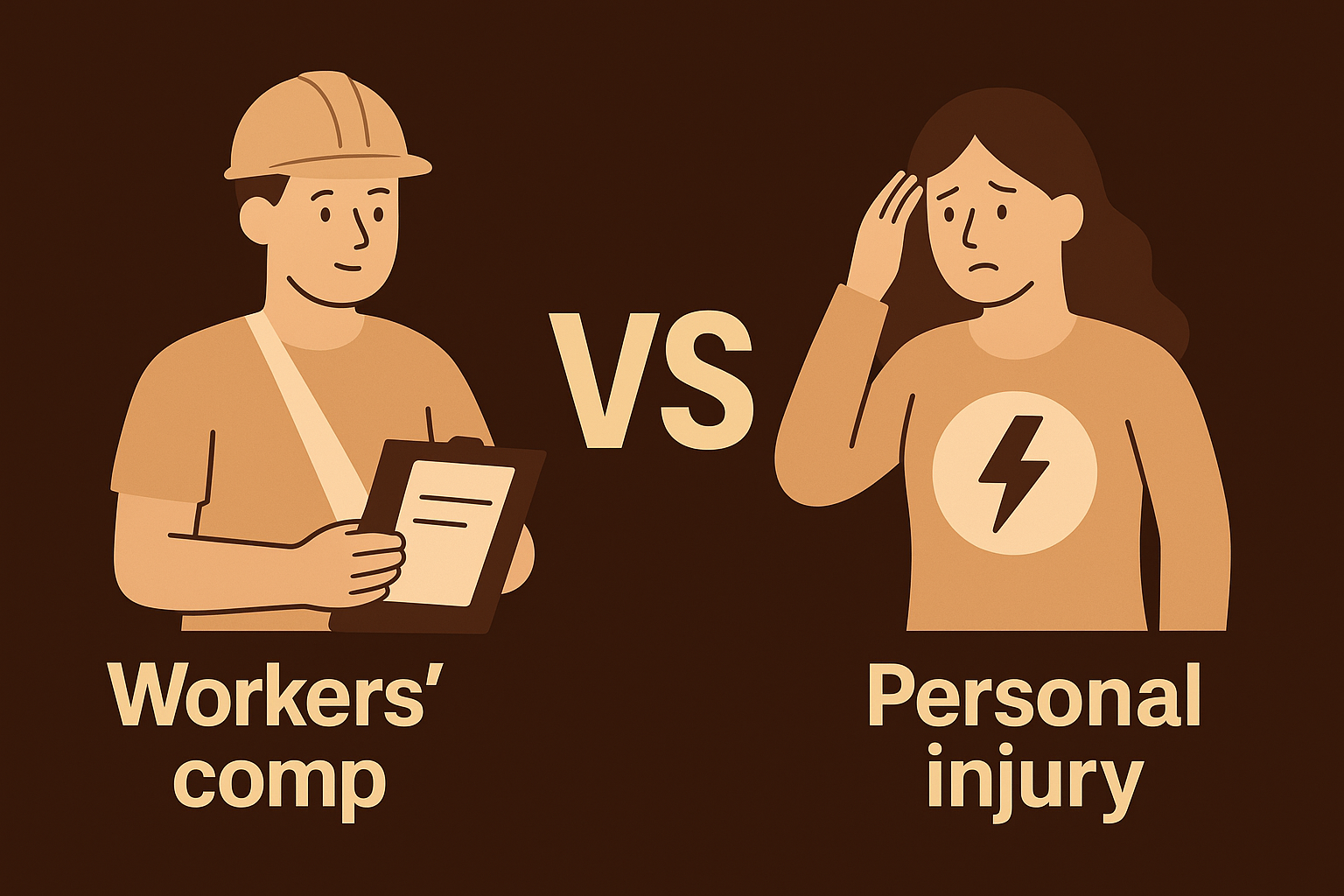
When you get hurt on the job, the type of claim you file depends on the specific circumstances of your injury. Workers' compensation and personal injury claims are two separate legal paths, and understanding the difference determines both what you can recover and how you pursue it. Choosing the wrong path, or missing an opportunity to pursue both, can significantly reduce the compensation you receive.
What workers' compensation covers
Workers' comp is a no-fault system, meaning you don't have to prove your employer was negligent to receive benefits. Medical expenses and a portion of your lost wages are the core benefits available through workers' comp, but you typically give up the right to sue your employer directly in exchange for those benefits. The tradeoff is speed and certainty - you get a structured benefit without having to prove fault, but the amounts are capped and pain and suffering damages are generally off the table.
Workers' comp exists to get you basic support quickly, not to fully compensate you for every loss your injury causes.
Filing a workers' comp claim also involves strict deadlines and specific reporting procedures set by your state. Missing a reporting window or failing to notify your employer in writing can jeopardize your entire claim, regardless of how serious your injury actually is.
When a personal injury claim applies
A personal injury claim becomes relevant when a third party other than your employer caused or contributed to your injury. If a contractor, equipment manufacturer, or other outside party acted negligently, you may have grounds to file a separate lawsuit that allows you to recover full damages , including pain and suffering, that workers' comp simply doesn't cover.
Searching for a workplace injury lawyer near me is especially important in these situations because identifying third-party liability requires legal analysis that most people aren't equipped to handle on their own. Both claims can sometimes run simultaneously , and an experienced attorney can evaluate your situation and help you pursue every available avenue of compensation under the law.
What to do right after a workplace injury
The steps you take in the hours and days following a workplace injury directly affect the outcome of your claim. Insurance companies and employers pay close attention to how you respond , and any gaps in documentation or delays in reporting can be used to dispute your injury. Acting quickly and methodically gives you the strongest possible foundation for your case.
Report the injury immediately
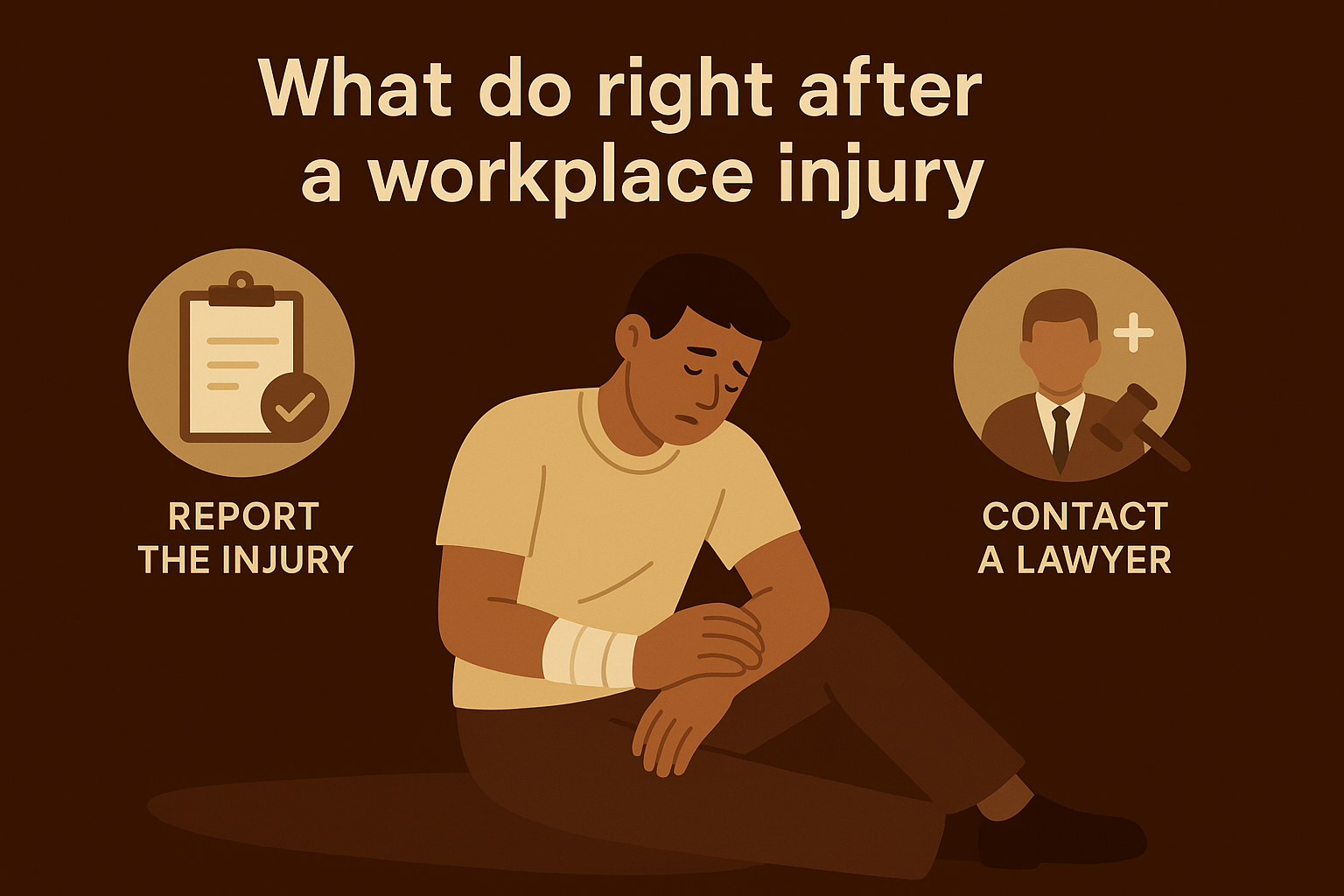
Notifying your employer in writing as soon as possible after an injury is critical. Most states require you to report within a specific window, often ranging from 24 hours to 30 days. Missing that deadline can disqualify you from receiving workers' compensation benefits entirely, regardless of how serious your injuries are.
When you report, keep it factual. Document the date, time, location, and circumstances of the incident and request a copy of any incident report your employer files. Do not minimize your symptoms ; describe exactly what happened and how you feel at the time.
Get medical attention and document everything
Seeing a doctor immediately after your injury creates a medical record that directly connects your condition to the workplace incident . Delays between the injury and treatment give insurers grounds to argue that something else caused your condition. Follow your doctor's instructions closely and attend every follow-up appointment , because gaps in treatment suggest your injury wasn't as serious as claimed.
Every medical appointment, prescription, and treatment note becomes evidence in your claim, so keep copies of all records from day one.
Contact a lawyer before you make any statements
Before you speak with an insurance adjuster or sign any documents, reach out to an attorney as soon as possible . Searching for a workplace injury lawyer near me gives you access to local attorneys who understand the specific rules in your state and can guide you before those conversations happen.
An attorney can advise you on what to say, what to avoid, and what your rights are before anything goes on record. Adjusters may ask questions that seem routine but are specifically designed to limit your payout , and having legal guidance in place before that conversation protects you significantly.
How to choose the right workplace injury lawyer near you
Not every attorney who handles personal injury cases has meaningful experience with workplace injury claims. The right lawyer brings specific knowledge of workers' compensation rules, third-party liability law, and local court procedures that directly affect your case. When you search for a workplace injury lawyer near me, use the following criteria to evaluate each option before you commit.
Check their experience with workplace injury cases
Experience in your specific type of claim matters more than general legal credentials. Ask directly how many workplace injury cases the attorney has handled and what percentage of their practice focuses on personal injury and workers' compensation . A lawyer who primarily handles divorces or contract disputes may lack the specialized knowledge your case requires, even if they're technically licensed to represent you.
Look for an attorney who has dealt with both workers' comp claims and third-party personal injury cases , since your situation may involve both. Ask whether they've taken cases to trial, not just settlement. An attorney with actual courtroom experience in these matters carries more weight in negotiations because insurers know they'll follow through.
An attorney willing to take your case to trial is a far stronger negotiator than one who always settles.
Ask the right questions before you hire anyone
Your initial consultation is an opportunity to evaluate the attorney, not just describe your situation. Come prepared with questions about their fee structure, estimated timeline, and how they communicate with clients throughout the process . A lawyer who struggles to explain these things clearly is a warning sign.
Find out who will actually handle your case day to day , since some firms assign cases to junior associates after the initial meeting. You want direct access to the attorney leading your case, especially when key decisions need to be made. Pay attention to whether they listen carefully and give you straightforward answers rather than vague reassurances.
- How many workplace injury cases have you handled in the last two years?
- Do you work on contingency, and what percentage do you charge?
- Will you personally handle my case, or will it be passed to someone else?
- Have you taken cases like mine to trial before?
Your next step
You now have a clear picture of what workplace injury claims involve, how to evaluate attorneys, and what separates a strong case from a weak one. The information only helps you if you act on it. Every day you wait, evidence disappears, deadlines move closer, and insurance companies work harder to limit what you receive. Finding the right workplace injury lawyer near me starts with one conversation , and that conversation costs you nothing.
Mayfield Law Firm, P.A. has represented injured workers across Northeast Mississippi and South Memphis for over 40 years . Our team handles personal injury and workplace accident cases from free consultation through final resolution, and we work on contingency, meaning you owe us nothing unless we recover for you. Your injury deserves serious legal attention , not a rushed settlement that leaves your real losses uncovered. Reach out to Mayfield Law Firm, P.A. today to schedule your free case evaluation.