Car Accident Attorney near Me: What to Know before You Hire
You searched for a car accident attorney near me because something just happened, and you need answers fast. Maybe you're staring at a settlement offer that feels too low, or you're not sure if you even need a lawyer to handle a claim after a fender bender turned into weeks of missed work and medical bills. That confusion is normal, and it's exactly where most people get taken advantage of by insurance adjusters looking to close a file cheap.
Here's what this article gives you: a straight answer on when hiring a local attorney actually matters, how attorney fees typically work in these cases (usually a contingency fee , meaning you pay nothing upfront), and the specific things you should never say to an insurance company before you've talked to counsel.
We've spent 40+ years handling auto accident claims across Northeast Mississippi and South Memphis, and we've seen the same mistakes cost clients thousands. Below, you'll find what to ask during a free consultation, red flags to watch for in any firm you're considering, and how the whole process runs from that first call to a final settlement.
Why hiring a car accident attorney matters after a crash
After a wreck, the insurance company on the other side has one job: pay out as little as possible while looking like they're being fair. Adjusters are trained negotiators who handle hundreds of claims a year. You've handled maybe one, and you're doing it while dealing with pain, missed paychecks, and a car that's in the shop. That imbalance is the whole reason car accident attorney near me searches spike right after a crash. It's not about being litigious. It's about leveling a fight that's stacked against you from the first phone call.
What Changes the Moment You Hire a Lawyer
Something shifts almost immediately once an attorney sends a letter of representation. The adjuster stops calling you directly, which stops them from fishing for statements they can use to shrink your claim later. Your medical treatment gets documented properly instead of piecemeal, because a lawyer knows which records actually support a claim and which gaps get used against you. Deadlines, like Mississippi's deadline for filing an injury lawsuit, get tracked instead of missed. None of this happens by accident. It happens because someone whose job is your case, not the insurer's bottom line, is managing it.
The Numbers Insurance Companies Don't Want You to See
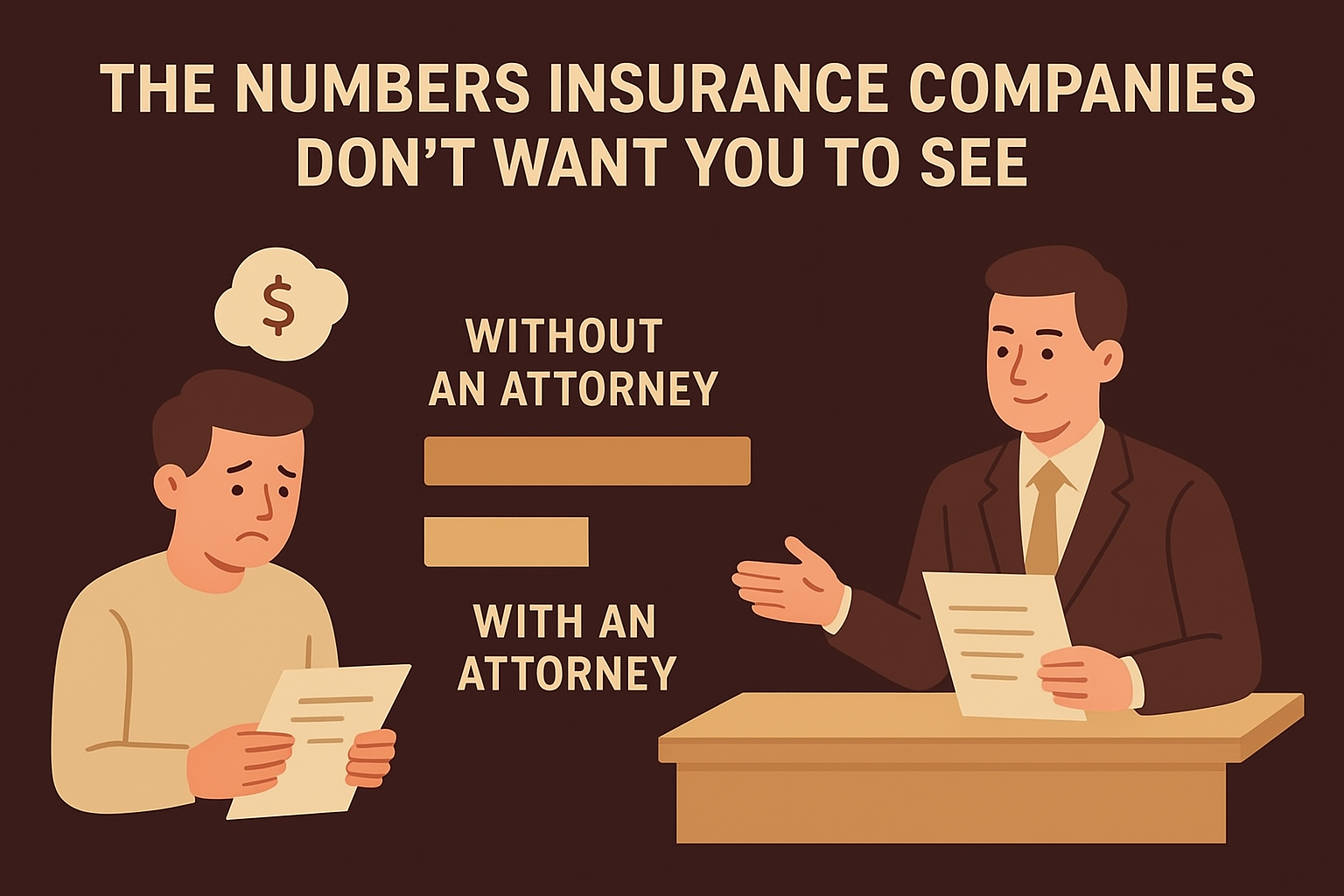
Research from the Insurance Research Council has repeatedly found that claimants represented by an attorney recover significantly more, even after fees, than people who negotiate alone. That gap widens the more serious the injury, because insurers know unrepresented claimants often don't understand the full value of future medical care, lost earning capacity, or pain and suffering.
| Factor | Without an Attorney | With an Attorney |
|---|---|---|
| Average settlement outcome | Often based on adjuster's first offer | Negotiated using medical records, lost wages, and case value data |
| Statute of limitations tracking | Left to the claimant | Managed by the firm |
| Communication with insurer | Direct, unguarded | Filtered through counsel |
| Ability to go to trial if needed | Rare, since most people settle out of fear | Built into the strategy from day one |
An insurance company's first offer is almost never their best offer, it's their cheapest one.
Cases Where Skipping a Lawyer Costs You the Most
Some accidents really can be handled without a lawyer, like a minor fender bender with no injuries and clear fault. But plenty of situations turn expensive fast if you go it alone. Watch for these:
- Ongoing medical treatment that extends past a few weeks, since future costs are hard to project without medical-legal expertise
- Disputed liability , where the other driver's insurer claims you were partly or fully at fault
- Commercial vehicles like delivery trucks or rideshare cars, which often involve multiple insurance policies and corporate legal teams and are usually work for a commercial truck accident lawyer
- Wrongful death claims, which carry strict procedural requirements and higher stakes for surviving family members, so knowing how to choose a wrongful death lawyer matters
- Multiple parties or insurers , such as a multi-car pileup, where fault and payout responsibility get contested between companies
If any of these describe your situation, an attorney for car accident near me search isn't overkill, since these are the clearest moments when hiring a car accident lawyer pays off. It's the smart first move, not a last resort after negotiations stall.
What an Attorney Actually Does for Your Claim
Gathering evidence early matters more than most people realize, and it's only one piece of what a car accident lawyer handles from crash to payout. Police reports, witness statements, traffic camera footage, and vehicle damage photos all degrade or disappear over time. A lawyer moves fast to preserve that evidence while it's still available, then builds the medical and financial documentation that turns your injury into a number an insurer has to take seriously.
Handling medical liens and bills is another piece people rarely see coming. Hospitals, ambulance services, and sometimes health insurers can place liens against your settlement, and sorting out who gets paid what, in what order, is its own negotiation. Left unmanaged, liens can eat a settlement alive. A lawyer negotiates those down whenever possible, so more of the final number actually reaches you.
Filing suit, or credibly threatening to, changes the negotiation entirely. Adjusters know which firms actually take cases to trial and which ones always settle cheap to close files fast. That reputation, built over years of practice in local courts, is worth more to your case than any single phone call you could make on your own behalf.
How to find and choose the right attorney near you
Typing car accident attorney near me into Google gets you a list of ads and directory listings, but that list doesn't tell you who actually shows up in court or who settles every case for pennies to keep overhead low. Finding the right fit takes a little more digging than clicking the first paid result. You want someone who knows the local courts, the judges, and the insurance companies that operate in your area, because that familiarity shapes how a case gets valued from the very first negotiation.
Start With Local Experience, Not Just Search Results
Local presence matters more than most people expect. A firm handling claims in Tupelo, Southaven, or Memphis knows which adjusters lowball first offers and which ones negotiate in good faith, which is one reason hiring a lawyer near you for a car accident tends to pay off. That knowledge comes from years of repeat dealings, not from a generic national ad campaign. Ask how long the firm has practiced in your specific county or district, and ask if the attorney handling your case, not just the name on the door, has tried cases there before.
The right attorney for you isn't the one with the biggest billboard, it's the one who knows your local courthouse by name.
What to Look for Before You Ever Call
Before you pick up the phone, spend fifteen minutes on what to check before you hire a car accident lawyer. This short list catches most of the red flags early:
- Bar standing : Confirm the attorney is licensed and in good standing through your state bar's public lookup tool
- Case focus : Look for firms that actually handle auto accidents regularly, not ones that dabble in it alongside twelve other practice areas
- Client reviews : Read recent reviews for mentions of communication and responsiveness, not just settlement size, and learn which ratings and fee complaints signal trouble
- Trial history : Ask directly whether the firm has taken cases to trial, or if every case gets settled regardless of value
- Local offices : Prefer firms with a nearby office you can actually visit, since in-person meetings matter when you're recovering from an injury
An attorney for car accident near me search that stops at the first five-star review misses half the picture of what an attorney for a car accident near you actually does. Reviews tell you how people felt. They don't tell you how the case was actually handled.
Red Flags That Should Make You Keep Looking
Certain warning signs show up again and again with firms that treat clients as case numbers instead of people. Pressure to sign paperwork during the very first call, before you've even had time to think, is one of the biggest. Vague answers about who will actually manage your file, versus a paralegal you'll never meet, is another. Firms that won't give you a straight answer about fee percentages or costs upfront are telling you something important about how they'll handle the rest of your case too.
Mayfield Law Firm has spent over 40 years building relationships with courts across Northeast Mississippi and South Memphis, which is exactly the kind of track record you should expect from anyone handling your claim. Our free consultation gives you a chance to ask every question on your list before you commit to anything, with no pressure and no obligation to sign that day. Take the time to compare a few firms using the checklist above, then trust your gut about who actually listened to your situation instead of rushing you toward a signature.
How much does a car accident attorney cost
Money worries make people hesitate to call a lawyer after a crash, and that hesitation is exactly what insurance companies count on, so it helps to know what a car accident lawyer in Mississippi costs. The good news is that most car accident attorneys work on a contingency fee , which means no upfront cost to hire a car accident lawyer, and nothing at all unless your case settles or wins at trial. Understanding how that fee actually breaks down, and what other costs might get deducted along the way, keeps you from getting blindsided at the end of your case.
How Contingency Fees Actually Work
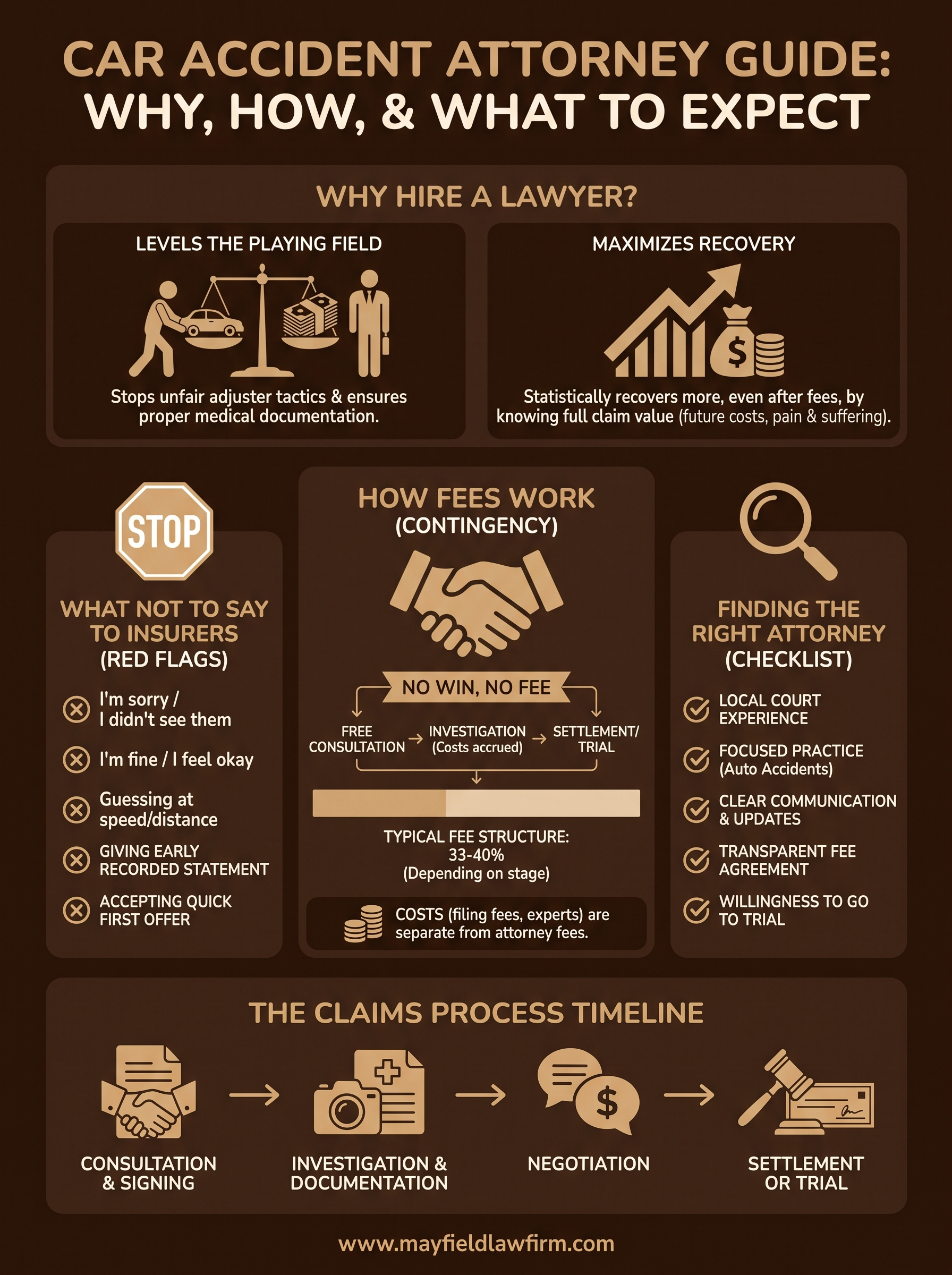
Contingency fee arrangements flip the usual legal billing model on its head. Instead of hourly rates or retainers, the attorney agrees to take a set percentage of whatever settlement or verdict you recover. No recovery means no fee, full stop. This structure gives the attorney a direct incentive to maximize your outcome, since a bigger settlement means a bigger fee for the firm too. It also removes the barrier that keeps a lot of injured people from ever picking up the phone in the first place.
If your attorney doesn't win, you don't pay a fee, period.
What Percentage Should You Expect
Generally, fee percentages fall within a fairly predictable range, though the exact number can shift depending on how far the case goes before it resolves. Most firms structure their agreements around how case stage changes the fee percentage rather than a single flat rate:

| Case Stage | Typical Fee Percentage |
|---|---|
| Settled before a lawsuit is filed | 33% |
| Settled after a lawsuit is filed | 35-40% |
| Resolved through trial or appeal | 40% |
Higher percentages later in the process reflect the added time, expert witnesses, and court costs a firm takes on once litigation actually starts. Ask for these numbers in writing before you sign anything, and make sure the agreement spells out exactly when each rate kicks in.
Costs vs Fees, the Difference That Trips People Up
Separate from the attorney's fee, every case racks up case costs, and these are not the same thing even though people often confuse them. Filing fees, expert witness charges, medical record requests, and deposition costs all fall into this bucket. Some firms front these costs and deduct them from your settlement at the end. Others expect reimbursement regardless of outcome, which is a detail worth asking about directly during your consultation. A firm that's upfront about this distinction from day one is a firm that's not trying to surprise you with a smaller check later.
What Happens If You Lose
Because contingency fees only apply to a successful outcome, losing a case usually means you owe no attorney fee at all. Costs are a different story, and whether you're on the hook for them depends entirely on your signed agreement. Reputable firms absorb those costs on cases that don't pan out, treating it as part of the risk they took on by accepting your case in the first place. Before you sign with anyone, get a direct answer on what happens to costs if the case doesn't result in a recovery. That single question tells you more about a firm's confidence in your case, and their fairness toward clients, than almost anything else you can ask.
What not to say to insurance adjusters or your attorney
Every word you say to an insurance adjuster gets recorded, transcribed, and filed away for later use against you. Adjusters ask friendly-sounding questions designed to get you talking, then pull specific phrases out of context to argue your injuries are minor or your fault is greater than it looks. A car accident attorney near me search often starts the moment someone realizes an adjuster's "just a few quick questions" call wasn't so casual after all. Knowing which phrases to avoid protects your claim before it ever reaches a negotiating table.
Phrases That Hurt Your Claim With Adjusters
Certain word choices do damage no matter how innocently you meant them. Adjusters are trained to hear things you don't intend, and a recorded statement given too early can lock in language you'll regret later.
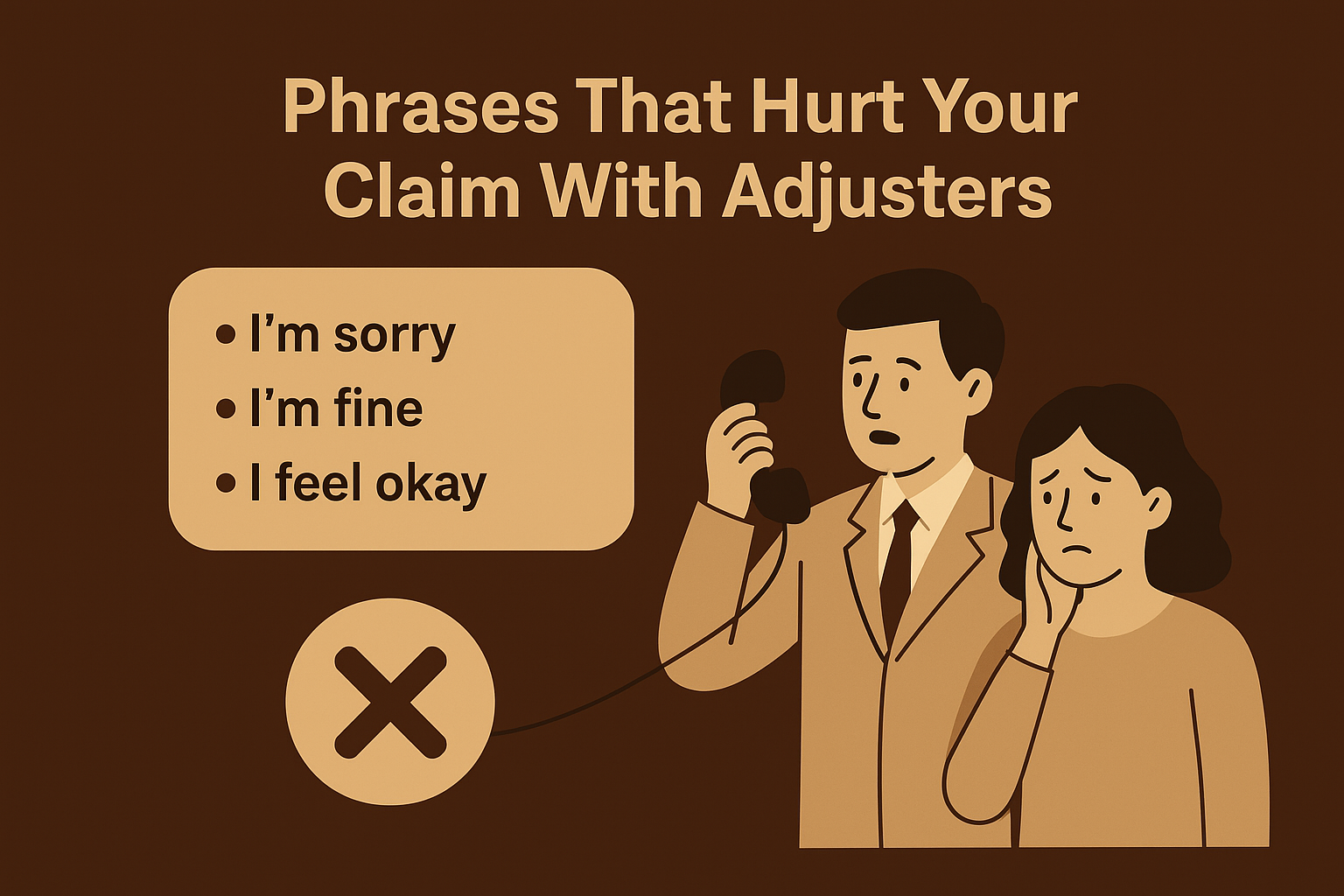
- "I'm sorry" or "I didn't see them," which sound polite but can be read as admissions of fault
- "I'm fine" or "I feel okay," said in the shock of the moment before injuries fully surface
- Giving a recorded statement before you've spoken with an attorney or reviewed your medical records
- Guessing at speed, distance, or timing when you're not actually sure
- Accepting a quick settlement offer before you know the full extent of your injuries
Never guess an answer for an insurance adjuster, "I don't know" is always safer than a wrong number.
Why Recorded Statements Are a Trap
Insurance companies push for a recorded statement within days of the crash, sometimes hours, because that's when your account is least polished and your injuries are least documented. Statements taken early often miss symptoms that show up later, like whiplash or concussion effects, and an adjuster will later argue those delayed symptoms aren't related to the crash because you didn't mention them on day one. Politely decline any recorded statement until your attorney for car accident near me search has actually landed you representation, or let your lawyer handle the call directly. That single step closes off one of the most common ways insurers shrink a claim.
Being Honest With Your Own Attorney
Holding back information from your own lawyer does more damage than most clients realize, because whatever you don't tell them, the other side's investigators eventually find anyway. Prior injuries, old accidents, gaps in treatment, even a speeding ticket from years ago, all of it matters, and an attorney who knows about it ahead of time can prepare for how the defense will use it. Omitting a detail and letting surprising your attorney happen mid-negotiation puts your entire case at risk, since credibility problems tend to spread across every part of a claim once they surface.
Transparency works in your favor even when the details feel embarrassing or irrelevant. Tell your attorney about social media posts, side jobs you've kept working despite an injury, or conversations you've already had with the other driver's insurer, since all of these can surface during discovery and blindside your case if your lawyer hears about them for the first time from opposing counsel. Treat your attorney like the one person on your side who needs the whole picture, because that's exactly what a good client-attorney relationship requires.
Questions to ask before you sign with an attorney
Signing a retainer agreement feels like the finish line after weeks of dealing with insurance calls and medical appointments, but it's actually the starting point of a relationship that will shape your entire claim. A good consultation isn't just the attorney interviewing you, it's your chance to interview them right back. Bringing a short list of key questions before hiring an injury lawyer to that first meeting separates firms that will fight for your case from ones that will process it like paperwork.
Questions About Who Handles Your Case
Understanding exactly who works your file day to day matters more than most people expect going in. Many firms run on a model where the attorney you meet during your free consultation never actually touches your case again, handing it off to a paralegal or a junior associate you'll never speak with directly, so use these tips for your free consultation to pin that down. Ask these questions before you sign anything:
- Who will be my primary point of contact throughout the case?
- Will the attorney I'm meeting today personally handle negotiations, or hand off my file?
- How often should I expect updates, and through what method, phone, email, or portal?
- How many other active cases is this attorney currently managing?
Getting vague or evasive answers here is a signal worth taking seriously before you commit.
Questions About Strategy and Experience
Experience with cases like yours specifically tells you more than general years in practice. A firm that's spent decades on bankruptcy filings and dabbles in car accidents occasionally isn't the same as one built around auto accident claims as a core practice. Push past the general resume questions and get specific:
- Have you handled cases similar to mine, and what was the general outcome?
- Do you take cases to trial, or does your firm settle everything?
- What's your initial read on the value and challenges of my specific case?
- How do you typically handle disputes over fault or a denied claim?
A lawyer who can't explain their strategy in plain language during the first meeting won't explain it any better six months into your case.
Questions About Fees, Costs, and Paperwork
Money questions feel awkward to ask, but a firm confident in its work answers them without hesitation. Revisit the fee structure discussed earlier in this article and confirm it directly against whatever agreement is placed in front of you before you sign.
| Ask This | Why It Matters |
|---|---|
| What percentage do you take at each case stage? | Confirms the fee schedule matches industry norms |
| Who covers costs if we don't win? | Reveals how much risk the firm actually shares with you |
| Is anything in this agreement negotiable? | Some firms adjust terms for specific circumstances |
| Can I get this agreement in writing to review at home? | A firm rushing you to sign on the spot is a red flag |
Requesting time to read an agreement away from the office is a completely reasonable ask, and any attorney who pushes back on that request is telling you something about how they'll treat you later in the case. Take the paperwork home, read it slowly, and call back with follow-up questions if anything feels unclear. The right firm expects that step and welcomes it, because a client who understands the agreement fully is a client who trusts the process when it counts.
What to expect from consultation to settlement or trial
Knowing the roadmap ahead makes the whole process less overwhelming, especially when you're still recovering physically while decisions pile up. A car accident attorney near me search usually ends with a first conversation, but that conversation is just the opening step in a process that can run anywhere from a few months to over a year, depending on how your injuries heal and how the insurer responds, as the steps, delays, and payouts of a settlement show. Walking into that first meeting with a rough sense of the timeline helps you set realistic expectations instead of assuming a check arrives within weeks.
The Free Consultation Sets the Foundation
During the initial meeting, the attorney reviews the basic facts of your crash, asks about your injuries and treatment so far, and gives you an honest read on whether your case is worth pursuing with representation. This is also when you should run through the questions from the previous section, since a rushed or vague consultation is often a preview of how the rest of your case gets handled. A good firm walks out of that meeting with a clear plan, and walks you out with a clear understanding of what happens next and roughly when.
Investigation and Medical Documentation
Once you sign, the firm moves quickly to lock down evidence before it disappears. Police reports get pulled, witness statements get recorded, and your medical treatment gets tracked closely so the full extent of your injuries is documented, not guessed at. This phase often takes the longest, because rushing it before you've reached maximum medical improvement almost always undervalues your claim, and it's a big part of how long an auto accident settlement takes in Mississippi. Settling too early is one of the most common regrets injured people have, since ongoing symptoms or future procedures don't get factored into a number calculated before treatment is finished.
Settling before your treatment is finished is like selling a house before the inspection is done, you're guessing at a price you can't actually verify yet.
Negotiation With the Insurance Company
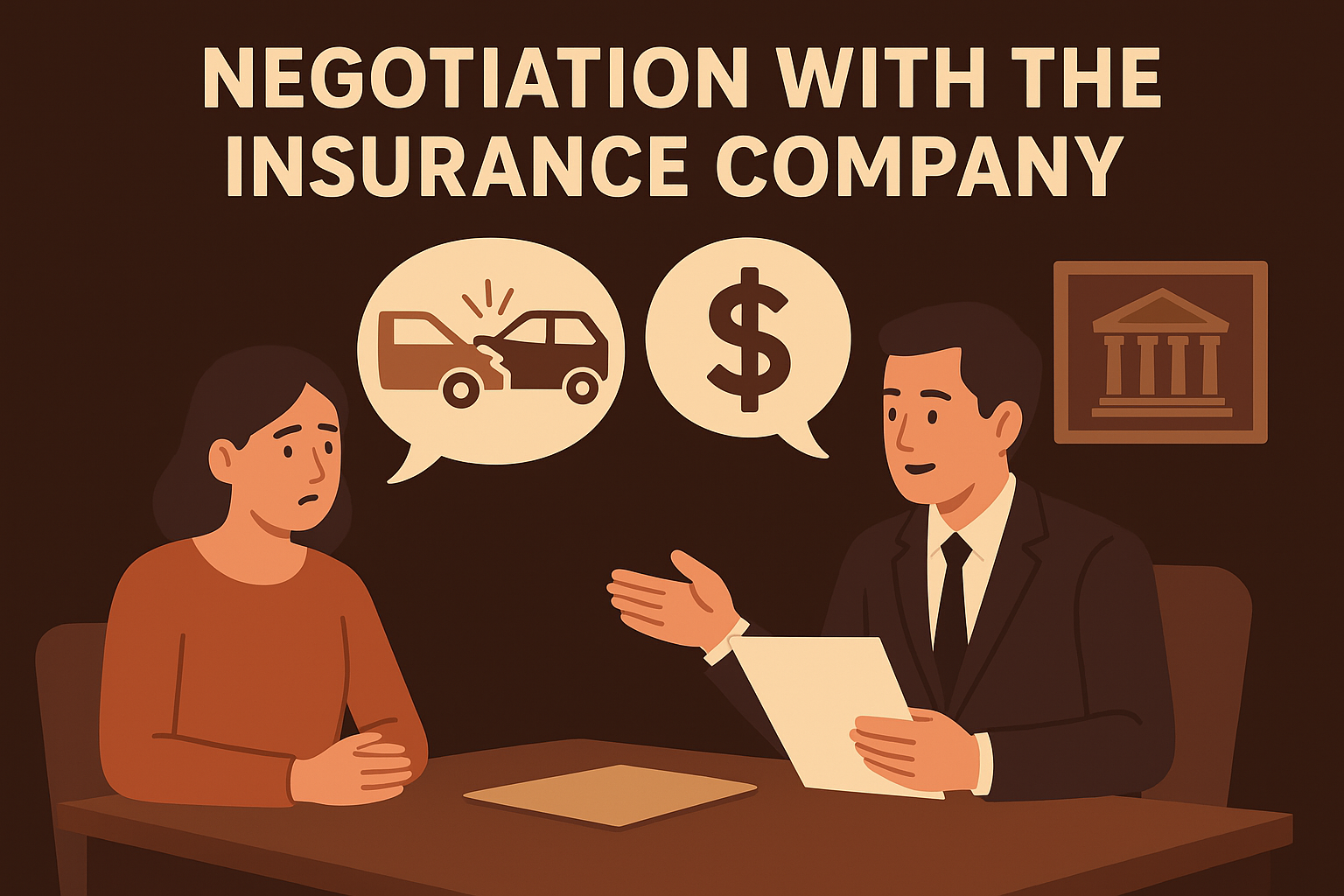
With documentation in hand, your attorney sends a demand package to the insurer laying out liability, medical costs, lost wages, and pain and suffering, the stage where how a car accident claim gets filed starts to matter most. Negotiation typically moves through several rounds:
| Stage | What Happens |
|---|---|
| Demand letter sent | Attorney presents full case value with supporting evidence |
| Initial offer | Insurer typically counters low to test your resolve |
| Counteroffers | Attorney negotiates using medical records and comparable case data |
| Settlement or lawsuit | Case resolves, or a lawsuit gets filed if the offer stays unfair |
Most cases settle during this stage without ever seeing a courtroom, but the willingness to file suit if the offer stays unreasonable is what keeps insurers negotiating in good faith.
If Your Case Heads to Trial
Filing a lawsuit doesn't mean your case is guaranteed to reach a jury, since many cases settle during the discovery phase once both sides have exchanged evidence and depositions. If a fair settlement never materializes, your attorney prepares the case for trial, presenting evidence, medical experts, and testimony to a jury to determine fault and damages. Trials take longer and carry more uncertainty than a negotiated settlement, but for cases with denied liability or lowball offers that never budge, the credible threat of trial is often what finally gets a fair number on the table.
Taking the next step after your accident
A crash puts you in a position you never asked for, and every day you wait to get answers is a day the insurance company spends building its case, not yours. You now know what a fair fee arrangement looks like, which words to avoid saying to an adjuster, and what questions separate a firm that fights for you from one that just processes files. That knowledge is worth something, but it only pays off once you act on it.
Stop searching car accident attorney near me and start making calls. Mayfield Law Firm has spent over 40 years handling these exact cases across Northeast Mississippi and South Memphis, and we know what it takes to get a fair number from an insurer who'd rather you never asked. Schedule a free consultation with our Tupelo car accident lawyers today and find out exactly where your case stands, with no pressure and nothing owed unless we win.