How Long Does A Personal Injury Settlement Take? Timeline
If you've been injured in an accident, one of the first questions you probably have is how long does a personal injury settlement take . You need answers, and you need money to cover medical bills, lost wages, and daily expenses that don't stop just because you're recovering.
The honest answer is that most personal injury settlements take anywhere from a few months to several years , depending on the specifics of your case. That's a wide range, and it can feel frustrating to hear. But the timeline isn't random. Specific, identifiable factors at each stage of the process determine whether your case resolves quickly or requires extended negotiation, or even trial.
At Mayfield Law Firm, P.A., we've spent over 40 years representing injured clients across Northeast Mississippi and South Memphis , guiding them through every phase of the settlement process. This article breaks down the realistic timeline you can expect, stage by stage, and explains the key factors that speed things up or slow them down , so you know exactly where you stand.
Why settlement timing matters for injured people
When you're hurt and unable to work, time is not an abstract concept . Every week that passes without a settlement means more medical debt, more financial pressure, and more uncertainty about your future. Understanding how long a personal injury settlement takes helps you make smarter decisions about your case, such as whether to accept an early offer or wait for fair compensation that actually covers your losses.
The timing of your settlement can directly affect how much money you actually receive, especially if you settle before you fully understand the extent of your injuries.
The financial pressure of waiting
Insurance companies know you have bills piling up. They often make low early offers specifically because they count on injured people needing cash fast and accepting less than their case is worth. If you understand the typical timeline upfront, you're in a much stronger position to resist pressure and wait for a number that reflects your actual damages , including medical costs, lost income, and pain and suffering.
Your medical treatment also plays a central role here. Settling too early, before you've reached maximum medical improvement (MMI) , means you might accept a number that doesn't cover future surgeries, ongoing therapy, or long-term disability. Once you sign a settlement agreement, you generally cannot go back and request more money, no matter how your condition changes afterward.
Statutes of limitations add real deadlines
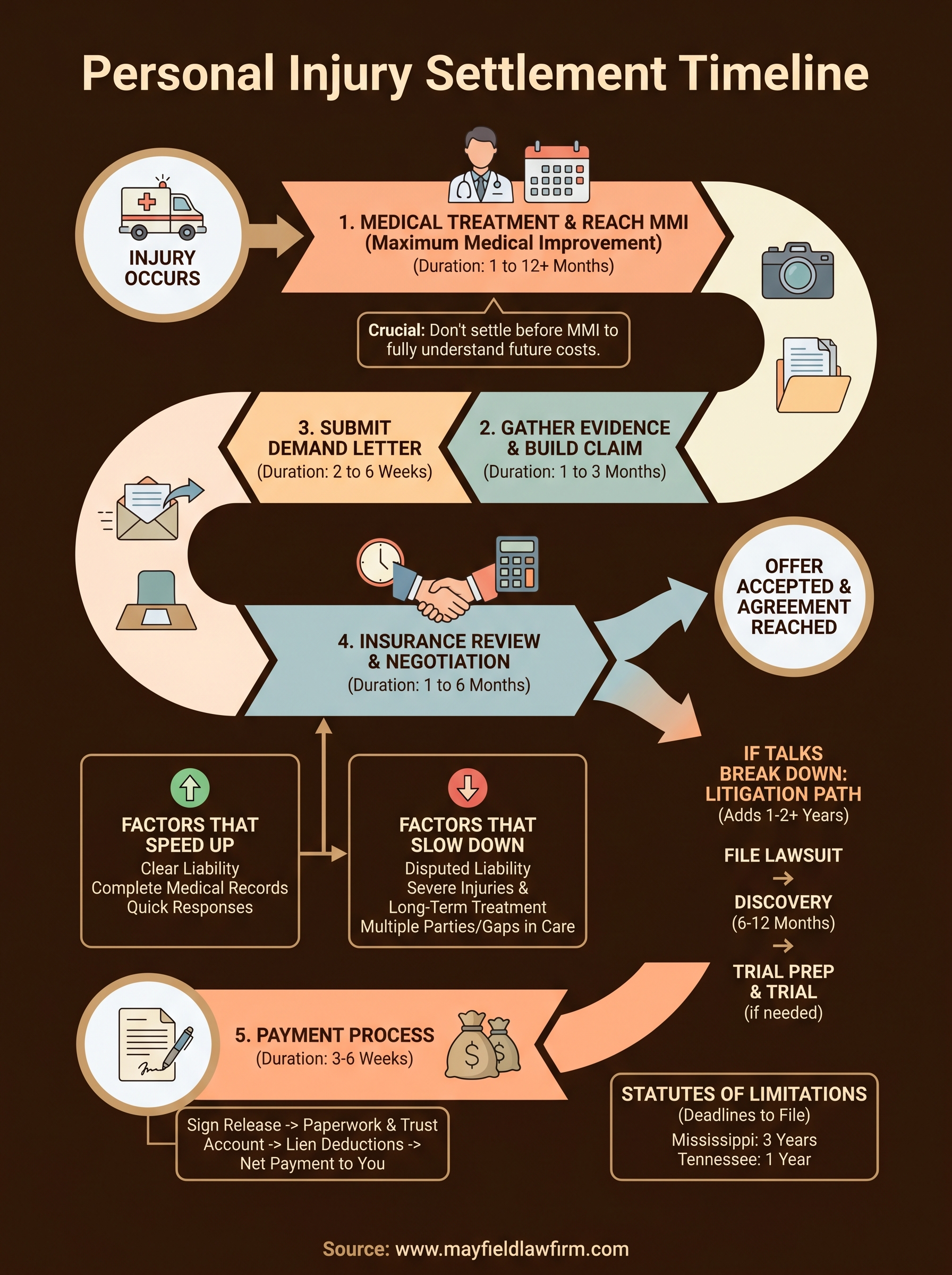
Mississippi gives most personal injury victims three years from the date of injury to file a lawsuit. Tennessee sets that limit at one year for most personal injury cases. These deadlines are firm. If you wait too long without taking legal action, you permanently lose your right to pursue compensation. Knowing the timeline isn't just useful for managing your expectations; it's essential for protecting your legal rights from the very start.
Typical timeline from injury to settlement offer
Most personal injury cases move through predictable stages , and understanding how long a personal injury settlement takes from start to finish helps you set realistic expectations before you accept or reject any offer.
Reaching maximum medical improvement before settling is one of the most important steps you can take to protect the full value of your claim.
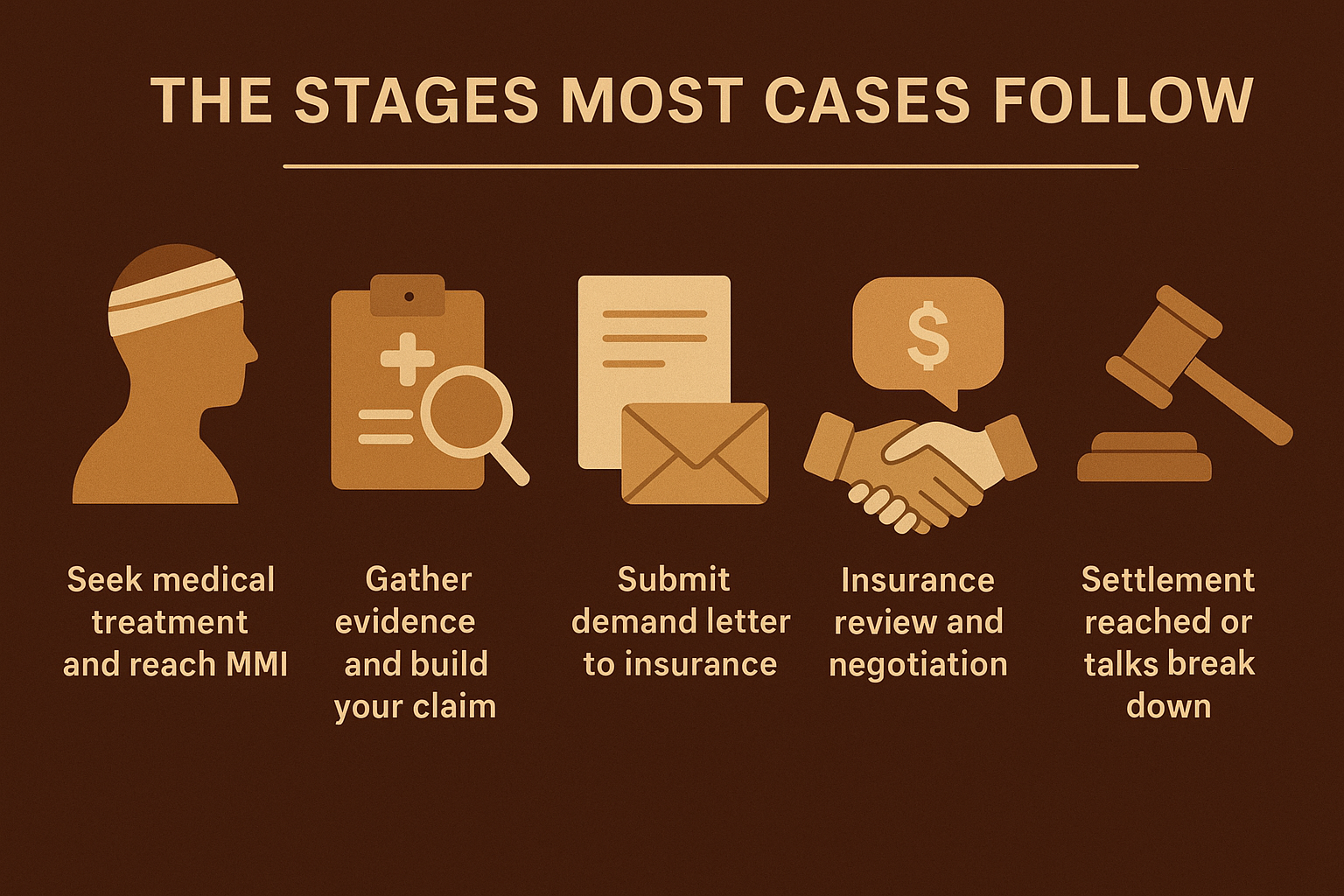
The stages most cases follow
Each stage adds time to your case, but skipping steps often costs you money in the long run. Here is a realistic breakdown of what most cases look like:
| Stage | Typical Duration |
|---|---|
| Seek medical treatment and reach MMI | 1 to 12+ months |
| Gather evidence and build your claim | 1 to 3 months |
| Submit demand letter to insurance | 2 to 6 weeks |
| Insurance review and negotiation | 1 to 6 months |
| Settlement reached or talks break down | Varies |
Simple cases with clear liability and minor injuries can resolve in three to six months. Cases involving severe injuries, disputed fault, or multiple parties frequently take one to three years before a settlement offer arrives, because each additional layer of complexity requires more documentation, more negotiation, and more time.
What can speed up or slow down a settlement
Several specific factors determine how long does a personal injury settlement take in your case. Some of these factors are within your control, and others depend on the insurance company or the nature of your injuries.
Factors that push your case forward
Clear liability and complete medical records are the two biggest accelerators in any personal injury case. When fault is obvious and your treatment is well documented from the start, insurance adjusters have fewer reasons to delay or dispute your claim. Responding quickly to requests from your attorney also keeps the process moving without unnecessary gaps.
The faster you complete medical treatment and gather supporting documentation, the stronger your negotiating position becomes.
Factors that create delays
Disputed liability significantly extends your timeline because both sides must gather and argue evidence before any offer comes forward. Severe injuries that require long-term treatment also slow things down, since you should not settle until you reach maximum medical improvement and fully understand the cost of your recovery. Multiple defendants, gaps in your medical treatment history, and slow responses from insurance adjusters all add months to your case, often without any advance warning from the other side.
How long a lawsuit adds if talks break down
When insurance negotiations fail, your attorney files a lawsuit, and how long does a personal injury settlement take increases significantly from that point. Filing a lawsuit does not mean you go straight to trial. Most lawsuits still settle before a jury hears the case, but the path to that resolution adds substantial time to your claim. Expect at minimum one additional year when a case moves to litigation, and often two or more in complex situations.
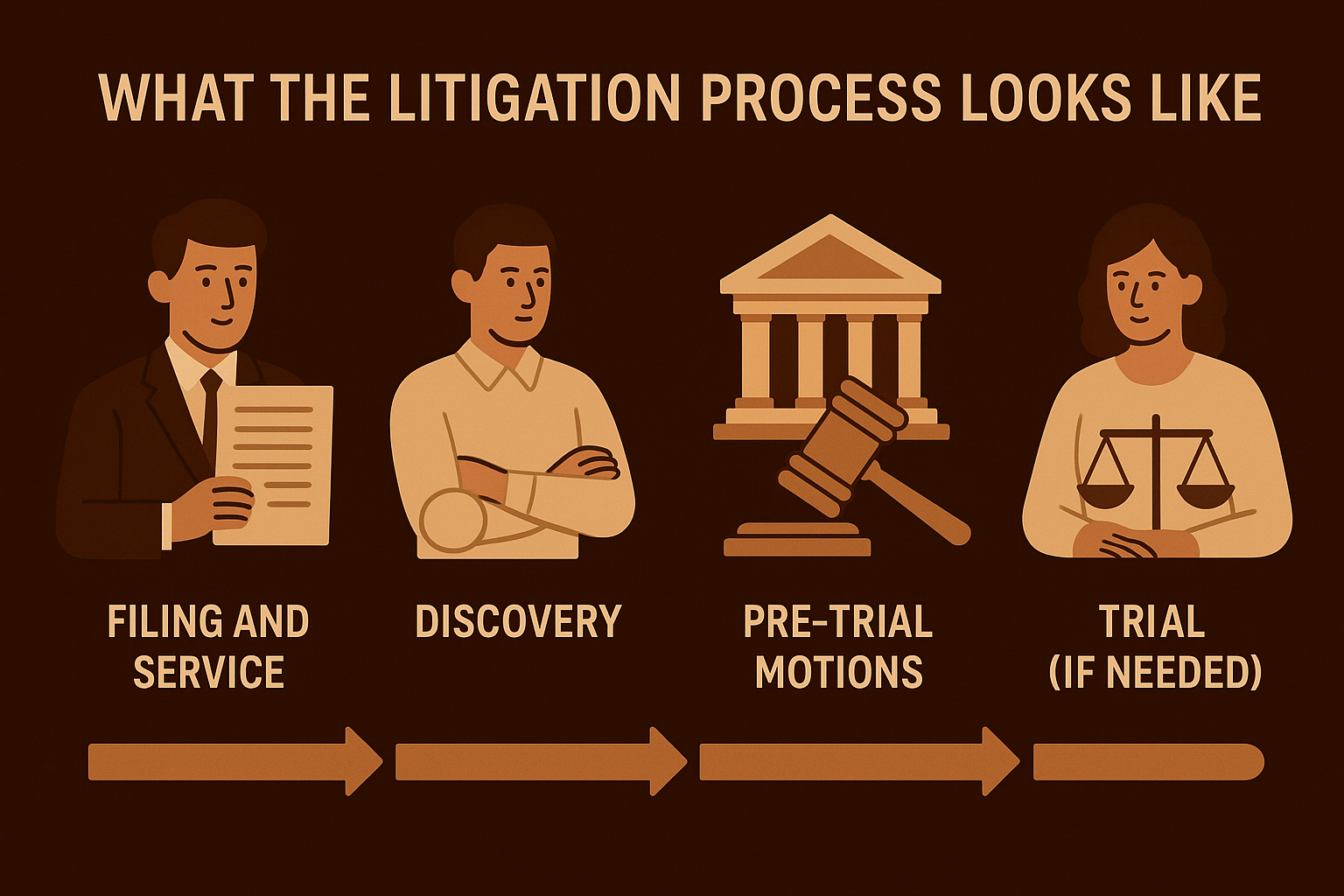
What the litigation process looks like
Once a lawsuit is filed, both sides enter discovery , a formal exchange of evidence, depositions, and expert reports that typically runs six to twelve months on its own. After discovery closes, courts schedule hearings and set trial dates, which can sit one to two years out depending on the court's docket in Mississippi or Tennessee. Many cases settle during this window once both sides assess the full weight of the evidence.
Filing a lawsuit often pressures insurance companies to present significantly better settlement offers before trial ever begins.
Here is a general timeline once litigation starts:
| Phase | Typical Duration |
|---|---|
| Filing and service | 1 to 2 months |
| Discovery | 6 to 12 months |
| Pre-trial motions | 2 to 6 months |
| Trial (if needed) | 1 to 2 weeks |
How long it takes to get paid after settling
Reaching a settlement agreement doesn't mean money arrives the next day . Even after both sides agree on a number, how long does a personal injury settlement take to result in actual payment involves several additional steps that typically add three to six weeks to your timeline.
Signing the release document starts the payment clock, so review it carefully before you sign anything.
What happens between agreement and payment
Once you sign the settlement release , the insurance company processes the paperwork internally, which usually takes two to four weeks . Your attorney then receives the funds into a trust account before distributing them to you.
From that trust account, your attorney deducts attorney fees, medical liens, and any outstanding case costs before sending you the remainder. Medical providers who treated you on a lien have a legal right to payment directly from your settlement, so that step cannot be skipped or negotiated away on your own. In most straightforward cases, you receive your net payment within 30 to 45 days of signing the release agreement, though cases with complex medical liens or multiple providers can take slightly longer to fully resolve.
What to do next
Now that you understand how long does a personal injury settlement take and what drives that timeline, the most important step is to start protecting your claim right away. Delays in seeking medical treatment and legal representation are two of the most common mistakes injured people make, and both can directly reduce what your case is worth.
Your next move is straightforward: document everything, follow your doctor's treatment plan, and do not speak with the insurance company on your own before consulting an attorney. Insurance adjusters work for the insurer, not for you, and early statements can be used to minimize your payout later.
Experienced legal representation makes a measurable difference in both the timeline and the outcome of your case. If you were injured in an accident in Northeast Mississippi or South Memphis, contact Mayfield Law Firm, P.A. today for a free consultation and get clear answers about your specific situation.